Description
Spanish text. REFERENCE.
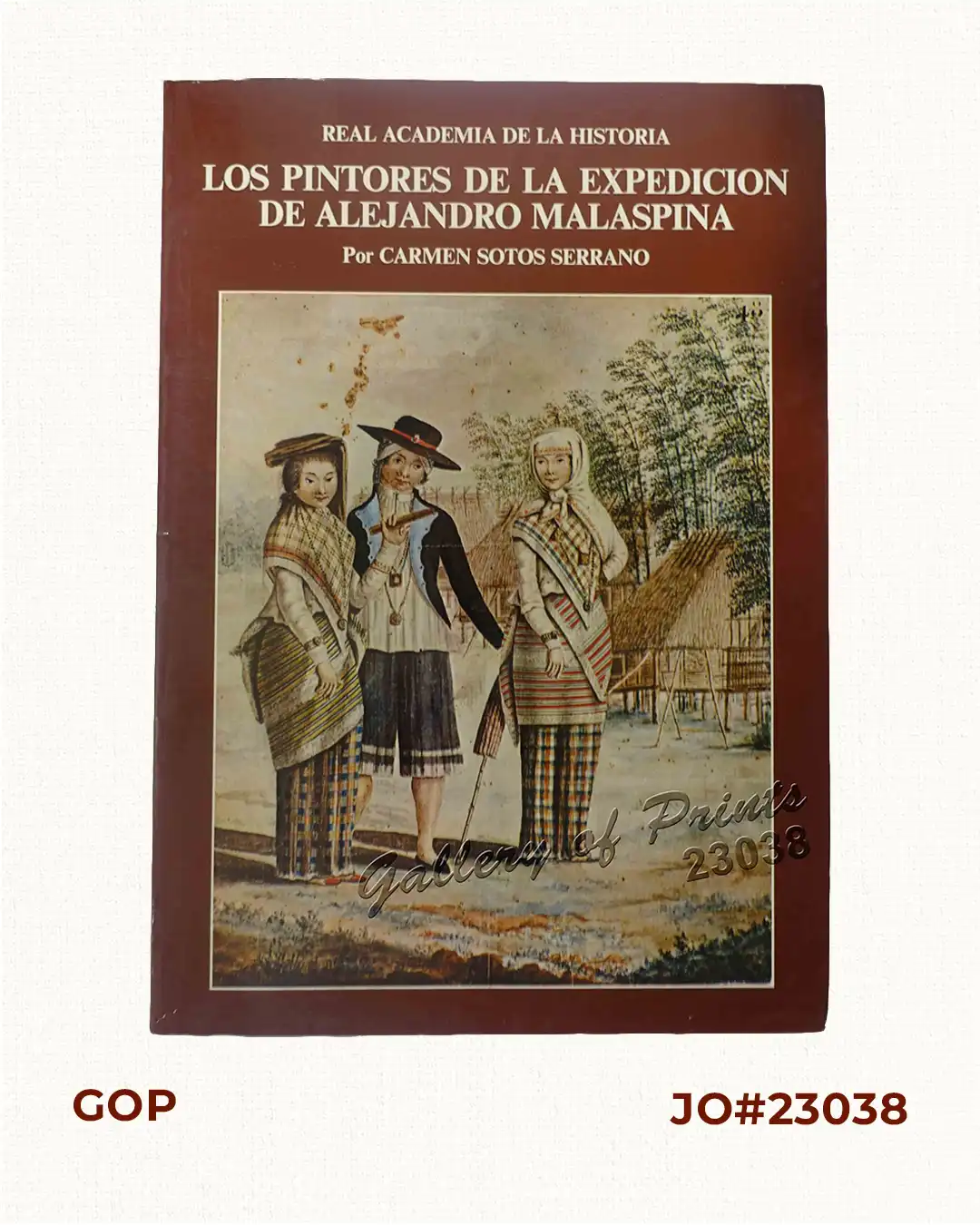
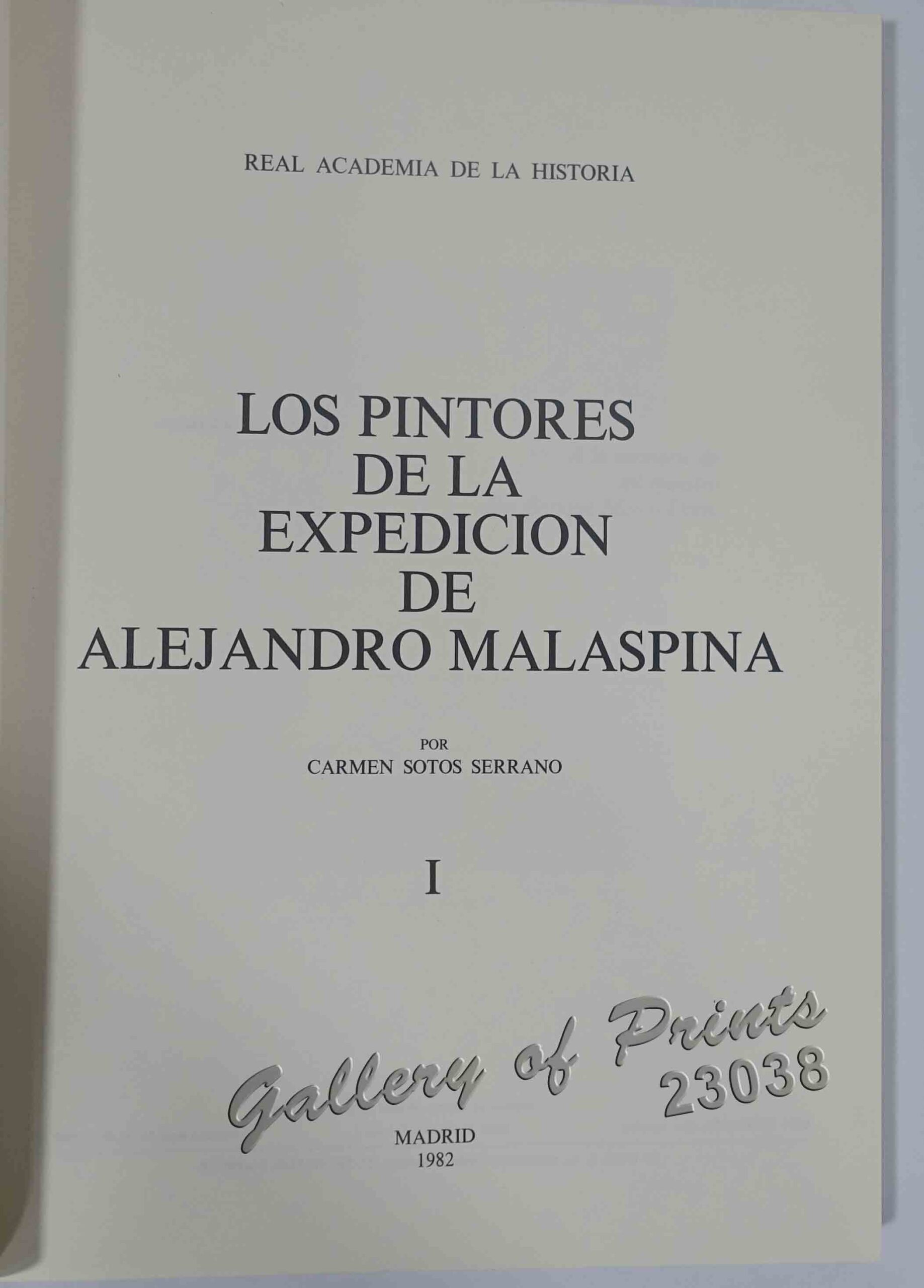
vol. 1: 300pp., paperback with flaps, pure text, no illustrations.
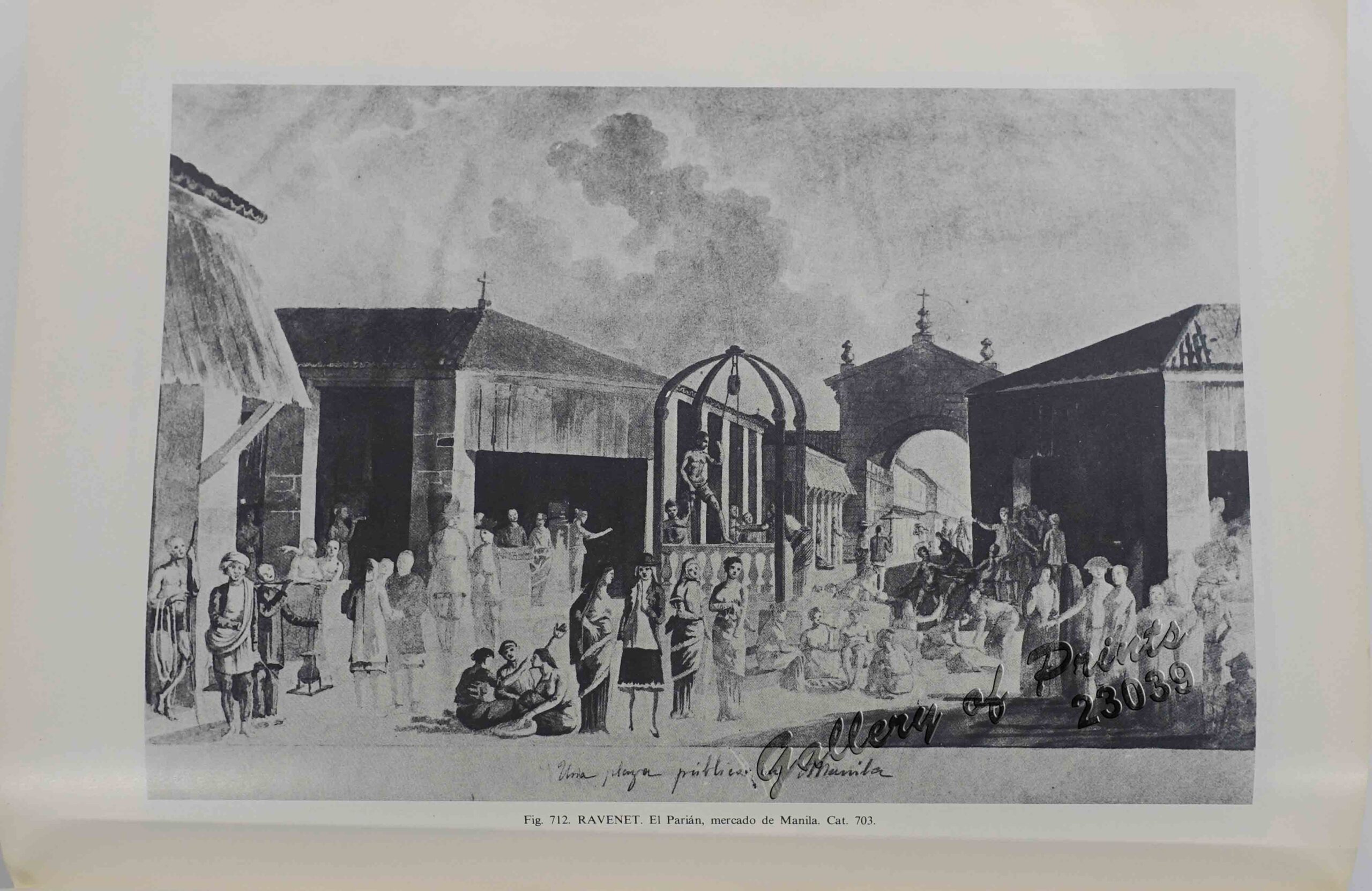
vol. 2: 716pp., paperback with flaps, with texts and numerous illustrations, mostly black&white, some in colour.
The first volume relates the itinerary followed by the expedition, commenting on the scientific work carried out in each place. The second volume contains a catalogue of all the drawings and paintings of which the author is aware. 830 scientific drawings are reproduced and technically described, mostly in black&white, some in colour.
The Malaspina Expedition
As the title explains, the observations from Malaspina’s voyage provide the majority of the sources that underwrote this chart. However, this would have been one of the first charts, or indeed one of the first printed documents, to appear from that expedition.
After the large-scale scientific expedition of James Cook and La Perouse, Britain and France had asserted their imperial intentions over the Pacific. The Spanish had long operated a closed-archive policy, claiming the Pacific as their own sphere but avoiding sharing geographic information that would prove their prior exploration of the area. This was all meant to change in July 1789, when Malaspina sailed from Cádiz.
Malaspina and his fellow naval officer, José Bustamante, submitted a proposal to the Spanish Crown in 1788 outlining a grand plan, a scientific endeavor meant to gather ethnographic and natural historical information from the far reaches of the Spanish empire. The Crown approved and two new ships, the aforementioned Descubierta and Atrevida were laid in shipyards in preparation.
Alongside these scientific aims, however, were political objectives. Malaspina was to chart Spanish possessions from Montevideo to the Philippines, as well as to carry out a detailed assessment of the defensive and economic conditions of the colonies. He was also to investigate the rumored Russian settlements in California and the nascent British colony in eastern Australia.
Malaspina sailed first to Montevideo and then the Falklands, before rounding Cape Horn. The ships then worked their way up the coast, stopping at ports like Guayaquil, Callao, and Acapulco. When possible, they sent shipments of specimens and chart back to Spain, to ensure a record of the voyage was not lost if the ships were damaged or lost.
In Acapulco, Malaspina received new orders telling him to hasten to Alaska, where they were to search for a Northwest Passage first mentioned by Lorenzo Ferrer Maldonado in 1588. Malaspina thought the information was apocryphal and resented being rerouted on a wild goose chase. All Malaspina found was a short inlet leading to the Hubbard Glacier; he called it Puerto de Desengaño, or Deceit Passage.
By the end of 1791, Malaspina was back in Acapulco, readying to sail across the Pacific. They stopped first at Guam, in the Marianas, and then came to the Philippines, the part of the voyage chronicled in this chart. Malaspina spent nearly nine months in the Philippines, while Bustamante took the Atrevida to Macao, a part of the voyage not shown here.
From the Philippines, the ships set out into the open Pacific. They briefly visited New Zealand and then spent a month at Port Jackson in Australia, where they made important observations of the penal settlement. Malaspina then charted Vava’u, in the Tongan archipelago, claiming it for Spain.
The ships returned to Callao and coasted south to Cape Horn once again. In the meantime, war had broken out with France. Malaspina decided to send his ships back separately to Montevideo, to lessen the chance that they would both be captured. They then returned together in consort with a frigate and trading vessels to Spain in September 1794, just over five years after they had left.
The lack of publication of the Malaspina expedition
Upon his return, Malaspina was disappointed at the lack of attention he and his fellow officers received. Spain was at war with France, and Malaspina quickly expressed his opinions about the political situation. He was also preparing the masses of reports, charts, and documents into what he planned as a seven-part voyage account complete with a hydrographic atlas and a folio-sized book of drawings.
This grand plan was never to be, however, as Malaspina was implicated in a conspiracy to topple the first minister, Manuel Godoy. Tried in absentia, Malaspina was sentenced to ten years in prison. He and his fellow officers were also ordered to stop work on the voyage account; they had to return all papers having to do with the expedition to the state.
The only one of the seven volumes planned by Malaspina that was published was of a subsidiary survey of the Strait of Juan de Fuca performed by Dionisio Alcalá Galiano and Cayetano Valdés. This work was intended to counter the claims posited in George Vancouver’s voyage account, published in 1798, but the Galiano and Valdés book was too little, despite including a fine atlas, and four years too late. Malaspina was not mentioned in the work; he was referred to only as the anonymous “commander of the corvettes.” While many of the botanical samples made it to the Real Jardín Botánico, few of the voyage artists and naturalists published their work.
The only information that was published were the hydrographic observations, which are related to this chart. In 1809, Don Josef Espinosa y Tello published Memorias sobre las observaciones astronómicas, hechas por los navegantes españoles en distintos lugares del globo. Espinosa y Tello had served on the Malaspina expedition, joining them belatedly at Acapulco. In 1797 he was appointed as the first head of the Dirección de Hydrografía, a position he held until 1808, when this chart was published by that office. In the Memorias, Espinosa y Tello mentions Malaspina by name and used his journal in the Memoria Segunda, which covered the Americas and the Pacific.
Surprisingly, the suppression of Malaspina was so complete that the first publication of his journal was in Russian. It appeared as a serialized story in a Russian naval journal from 1824 to 1827, having been translated from Spanish to French to Russian. It was published in Spanish only in 1885, in a heavily abridged and edited edition by Pedro Novo y Colson. The entirety of Malaspina’s journal, with supporting documents, was only published in 1990 in a nine-volume set that rightly returned Malaspina to a place of honor in the history of Pacific exploration.